

The Hidden Toxins We Live With Every Day
You don't have to work around chemicals to be exposed to toxins.
They're in the food we eat, the water we drink, the products we clean with, and even the personal care products we use every day.
These small exposures may seem harmless—but over time, they can add up.
In Episode 5 of Living Sicker. Aging Faster. Dying Younger., Dr. Christopher Thoma explores how pesticides, herbicides, heavy metals, household chemicals, and personal care products may be impacting your health—and simple ways to reduce your daily exposure.
Are we eating food... or food-like substances?
Over the past few decades, our diets have become filled with ultra-processed foods, artificial ingredients, preservatives, food dyes, and genetically modified ingredients. While these products are convenient, they may be doing far more than satisfying hunger—they could be contributing to inflammation, metabolic dysfunction, and the rise of chronic disease.
Is chronic disease really just a normal part of getting older?
We've been told that getting older means collecting diagnoses—high blood pressure, diabetes, arthritis, fatigue, brain fog, and a growing list of medications. But what if that's not normal at all?
Why Is Every Generation Getting Sicker?
generational health decline, chronic illness in children, functional medicine, root cause medicine, healthy aging, longevity, cellular health, inflammation, mitochondrial health, metabolic health, environmental toxins, prevent chronic disease, health education, autoimmune disease in kids, early onset chronic disease, why are kids getting sicker, Dr. Christopher Thoma, The Legacy Clinic
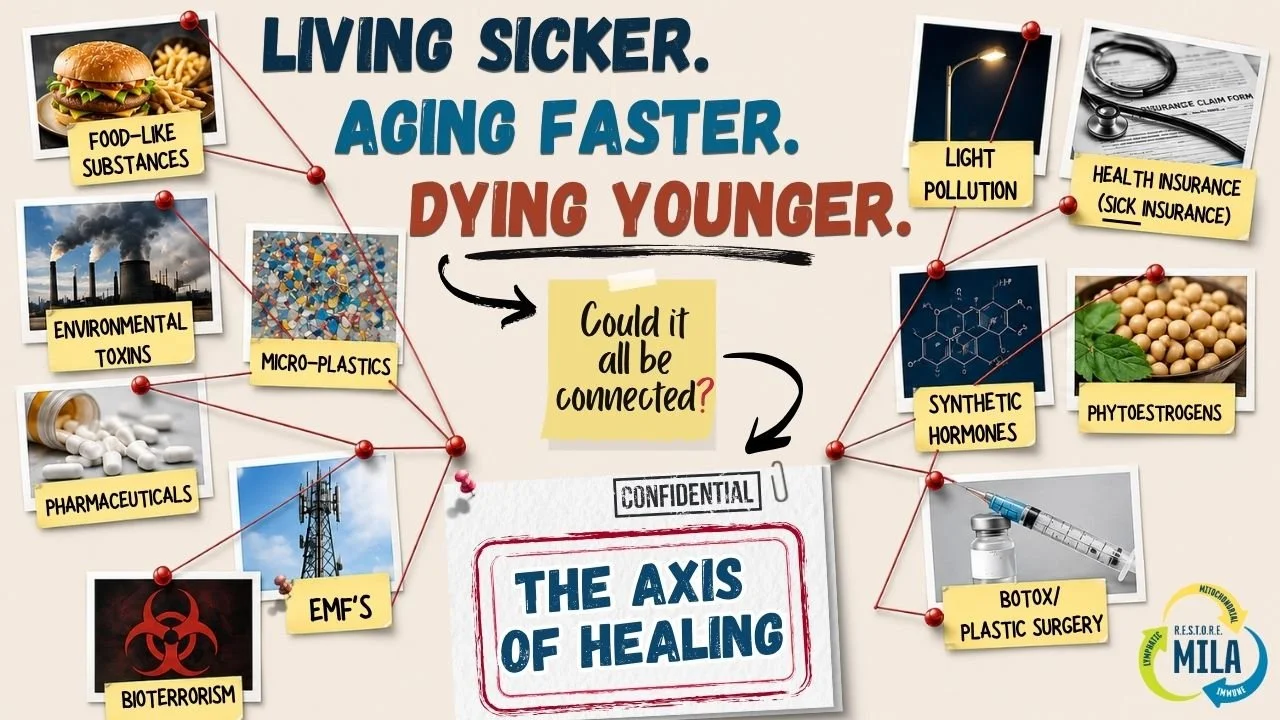
Living Sicker, Aging Faster, Dying Younger — Why Is This Happening?
chronic illness, functional medicine, root cause medicine, healthy aging, longevity, cellular health, inflammation, mitochondrial health, metabolic health, environmental toxins, prevent chronic disease, health education, autoimmune disease, diabetes prevention, brain fog, chronic fatigue, why am I always tired, modern healthcare paradox, Dr. Christopher Thoma, The Legacy Clinic

Healing Requires Safety, Not Force
he body does not heal under threat.
If immune activation is constant, energy production shifts into defense mode. If energy is suppressed, recovery slows. If inflammatory load is high, tissues struggle to repair.
Most people attempt to heal by pushing harder — stricter food rules, more supplements, more interventions.

Why Elimination Works — And Why It Often Fails
Elimination diets frequently produce rapid improvement.
Energy rises.
Bloating decreases.
Inflammation softens.
But many people plateau. Or symptoms return when foods are reintroduced.

Why Symptoms Move — And Why That Matters
Treating symptoms individually often creates temporary relief — but if the underlying system remains activated, new symptoms emerge elsewhere.
Eat to Restore reframes this pattern.

The Real Problem With “Clean Eating”
Food is more than calories or ingredients. It is a biological signal. Every meal influences energy production, immune activation, and inflammatory load.
A food can be labeled gluten-free, dairy-free, plant-based, or natural — and still activate stress pathways in the body.

Why Eat to Restore Is Not Another Diet Book
There is no shortage of diet advice.
Low-carb. Low-fat. Plant-based. Carnivore. Elimination protocols. Superfoods. Detoxes.
Most of them promise results. Many of them work temporarily. Few of them explain why they work — or why they stop working.
Eat to Restore was not written to add another plan to the pile. It was written to explain the biological system underneath chronic symptoms.

Modern Wheat and the Gut–Immune Connection
Many people notice something puzzling: when they reduce or remove wheat, they feel better—sometimes dramatically so.
Energy improves. Digestion calms. Joint pain eases. Brain fog lifts.
This experience is often dismissed as a trend or placebo effect. But for many people, it’s neither.
The issue isn’t bread itself.
It’s modern wheat—and how it interacts with the gut and immune system.
Why Sugar Is More Than “Empty Calories”
Sugar is often discussed as a weight issue.
Too many calories. Too much sweetness. Too little discipline.
But this framing misses the real problem.
Sugar is not just empty calories—it is a biological signal. And in the quantities and forms consumed today, it sends a message of danger throughout the body.

The Toxic Nine: Why Food Isn’t What It Used to Be
Many people are confused by their reactions to food.
They eat what they believe is “healthy,” yet experience fatigue, inflammation, digestive distress, joint pain, brain fog, or skin issues. Eliminating one food helps—temporarily—until symptoms return or shift.
This pattern leads many to believe they are unusually sensitive or broken.
They’re not.
As Dr. Christopher Thoma explains in Eat to Restore, the issue is not food in general—it’s modern food.

Why Your Labs Can Be “Normal” While You Feel Terrible
If you’ve ever been told “everything looks normal” while you feel anything but, you’re not imagining things—and you’re not alone.
For many people with chronic fatigue, inflammation, brain fog, digestive issues, or autoimmune symptoms, this moment is deeply frustrating. You’ve done the tests. You’ve followed the recommendations. You’ve waited for answers that never seem to arrive.
The problem isn’t that your symptoms aren’t real.
The problem is that most medical testing is designed to detect disease—not dysfunction.

What Is the MILA System?
Mitochondria produce energy and sense danger.
The immune system responds to threats.
The lymphatic system removes waste and inflammation.
When modern food continuously triggers danger signals, these systems become overwhelmed. Energy production slows. Inflammation becomes chronic. Detoxification stalls.
Why Chronic Disease Isn’t Random
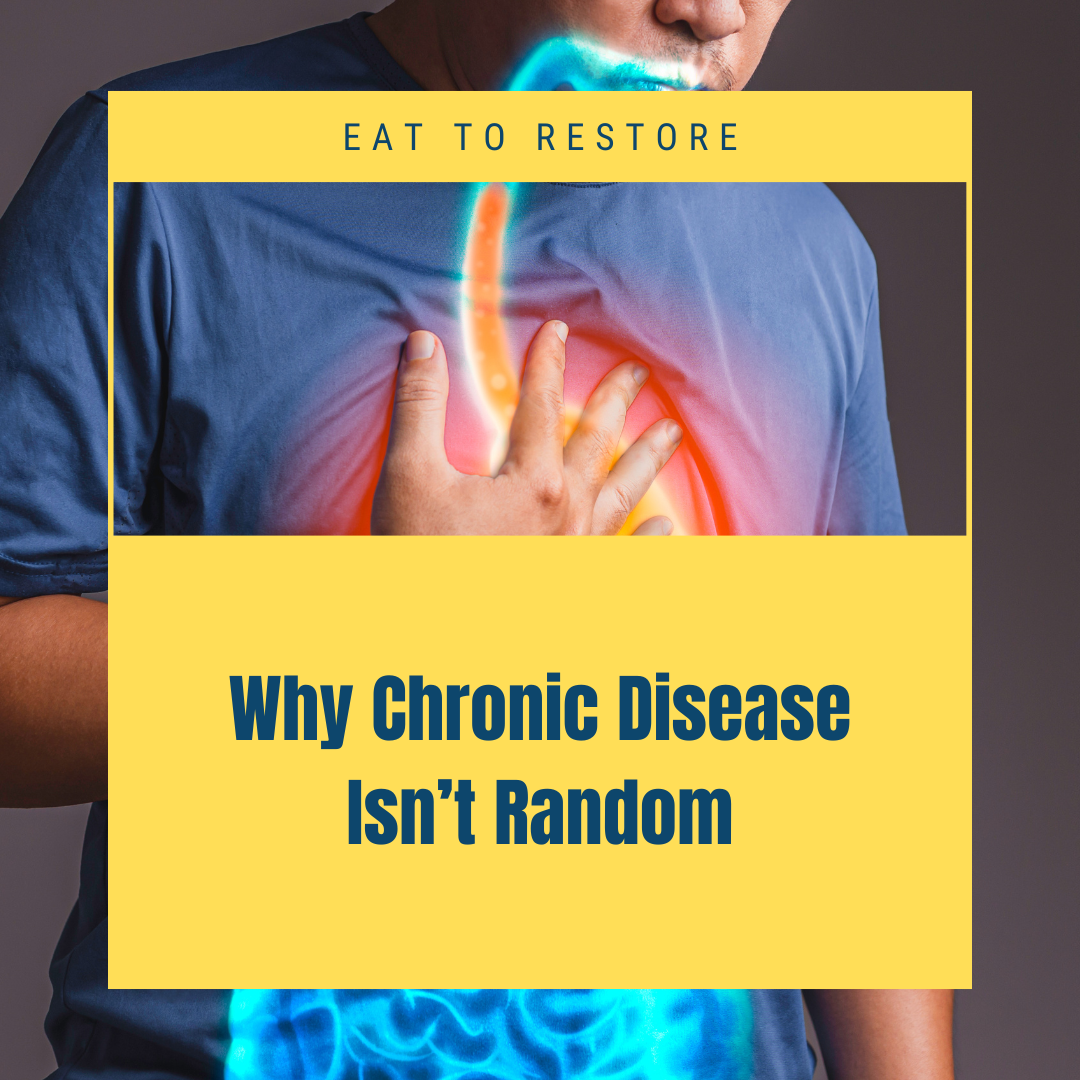
Chronic illness often feels unpredictable. One symptom fades while another appears. Diagnoses stack up, yet answers remain elusive.
But what if chronic disease isn’t random at all?